Shopping Cart
There are no more items in your cart


- Online only
Monofacial and Bifacial Solar Panels



Found a better price? Send us the offer and take advantage of #TaniejzGreenstor!
Have questions? Contact us!
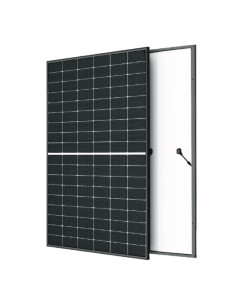
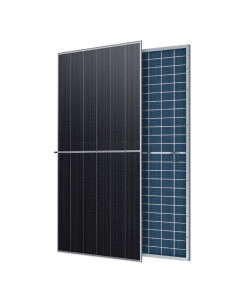
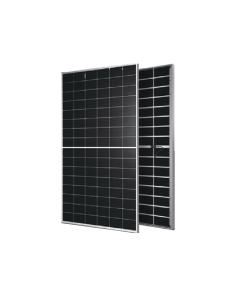
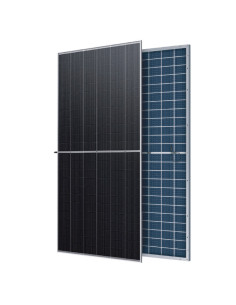
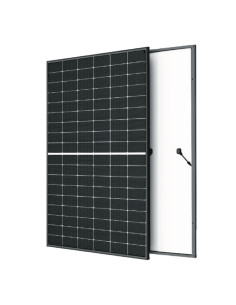
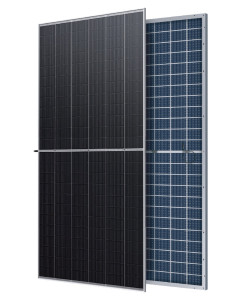
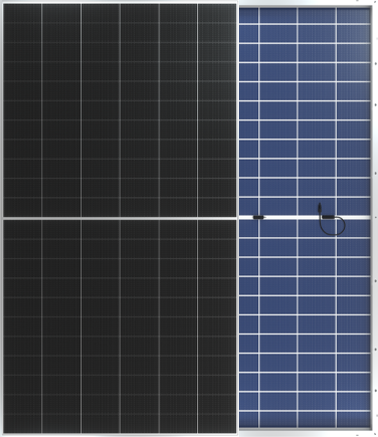
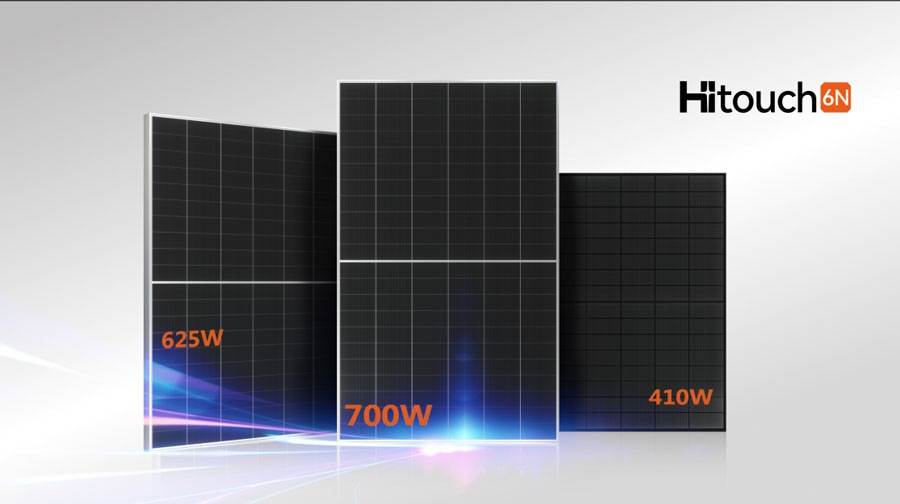
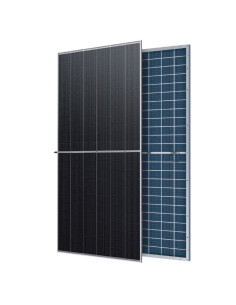
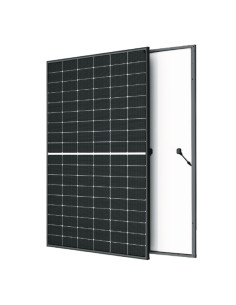
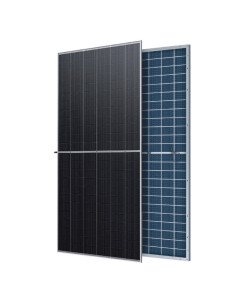
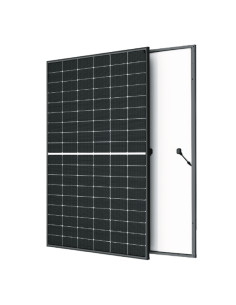
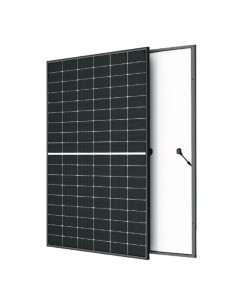
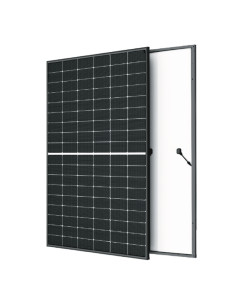
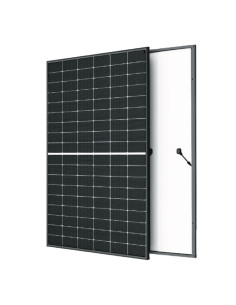
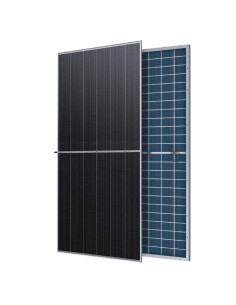
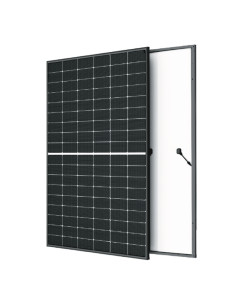
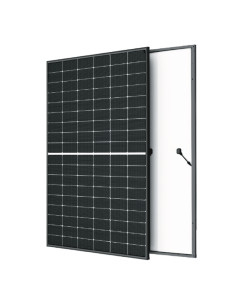
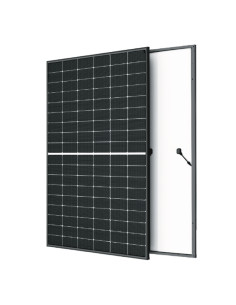
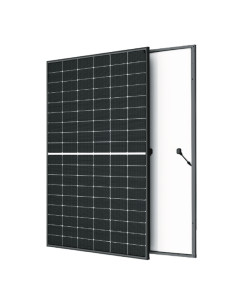
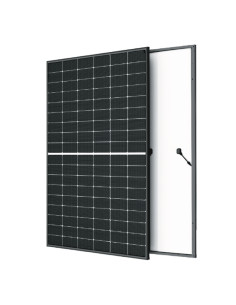
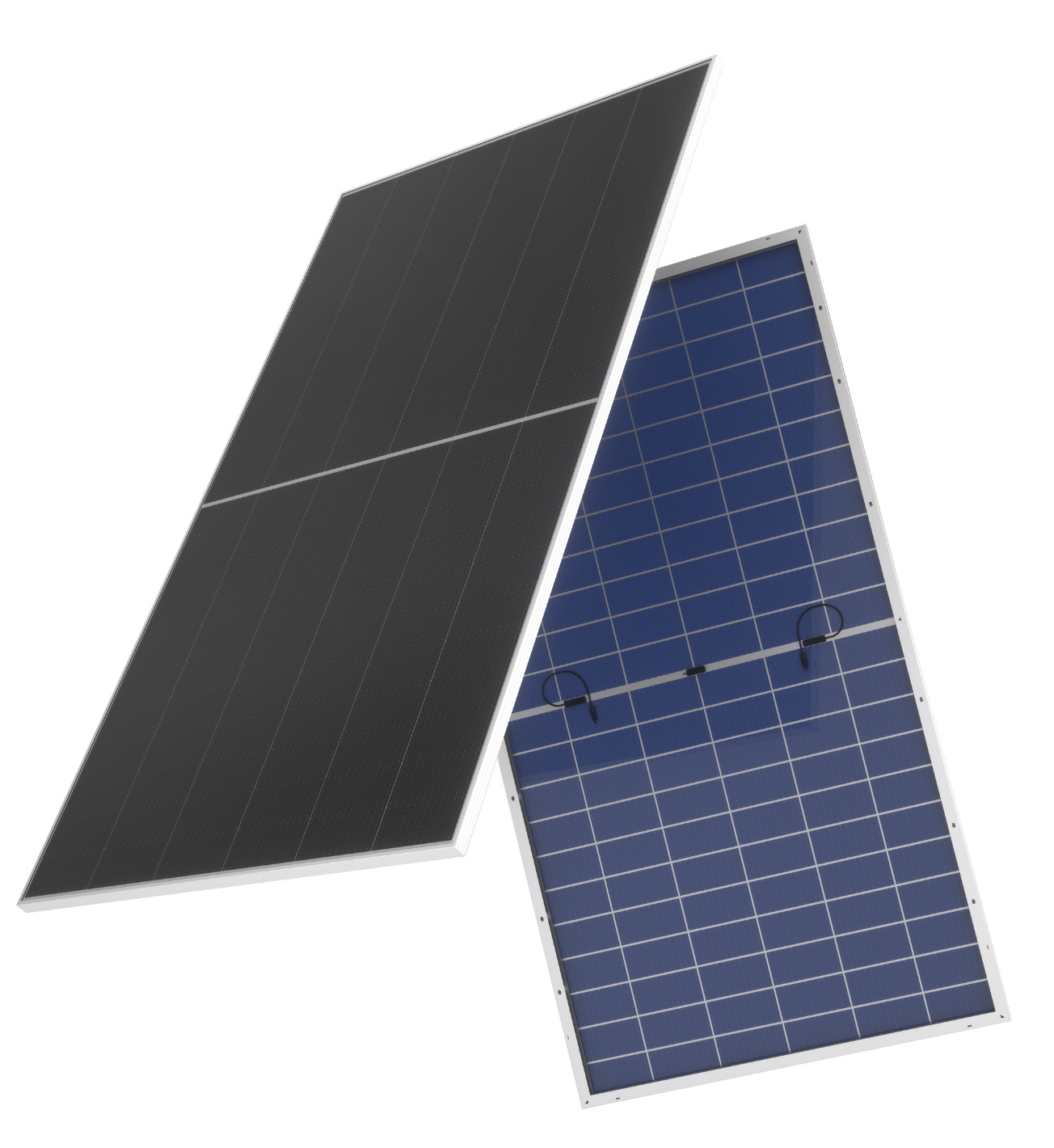
HN21N-66HT685W Hanersun HItouch 6N TOPCon bifacial solar modules are an innovative photovoltaic solution with an efficiency of up to 22.53%. Each module consists of monocrystalline solar cells with a diameter of 210 mm, which makes them extremely efficient. Thanks to TOPCon production technology and bifacial design, these modules not only ensure high efficiency, but also a long service life. The HItouch 6N series guarantees quality and reliability, backed by a 15-year product warranty and a 30-year linear power output warranty. In addition, the modules are certified to comply with IEC 61215-1:2016, IEC 61215-1-1:2016, IEC 61215-2:2016, IEC 61730-1:2016, and IEC 61730-2:2016, confirming their high quality and safety. The container contains an impressive 558 modules, perfectly secured during transport. Operating on both sides, allowing radiation to be absorbed from different directions, the HN21N-66HT685W Hanersun HItouch 6N TOPCon bifacial modules are an energy-efficient and environmentally friendly choice.
210 mm solar cell size in PERC technology
High-density encapsulation - cell spacing is 0.5 mm
The construction consists of 12-20 BB+ cells with a half cut.
Round busbars increase output power by 2%.
Module power up to 705W
An excellent choice for a variety of applications


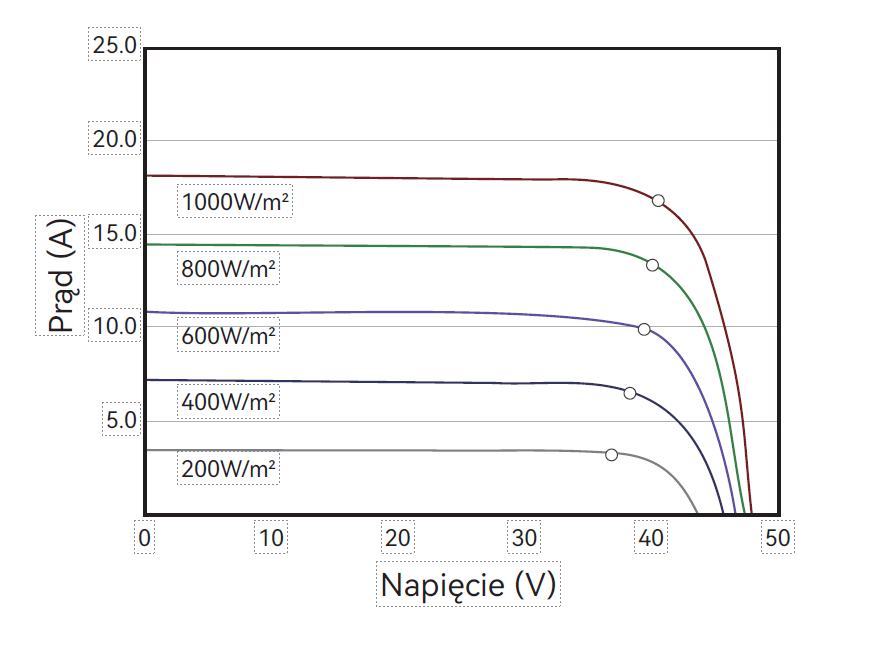
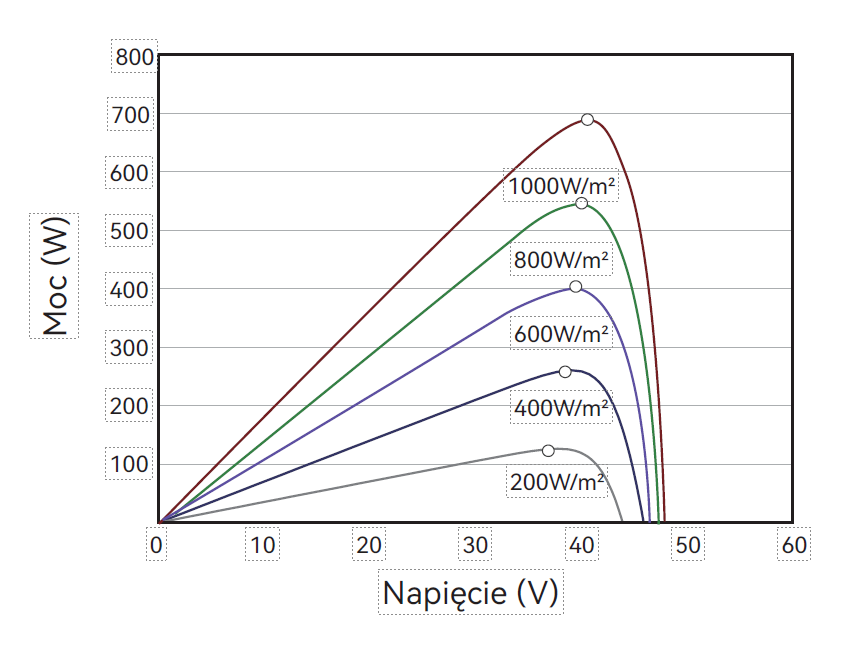
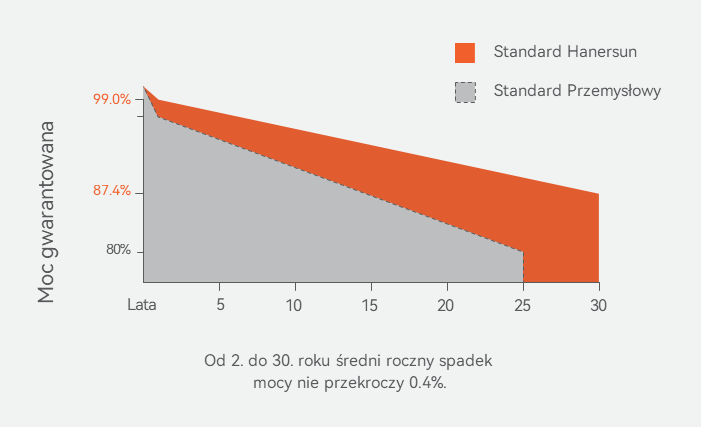



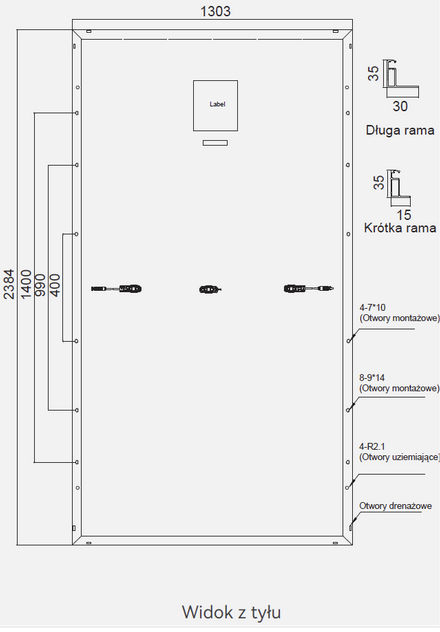
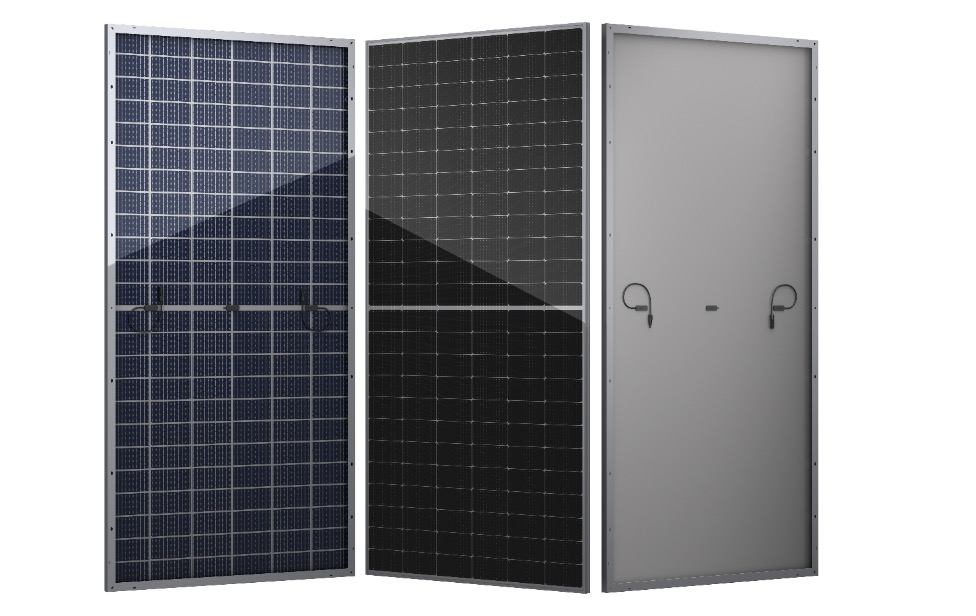
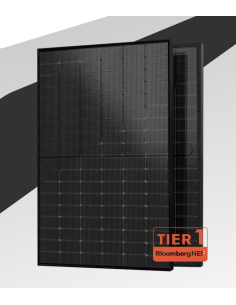
Install the best systems with proven, high-efficiency HANERSUN photovoltaic modules. The manufacturer is listed as TIER1.


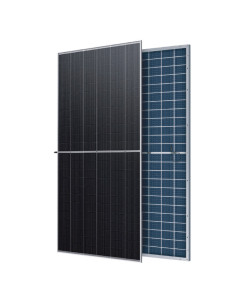
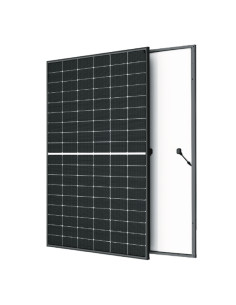


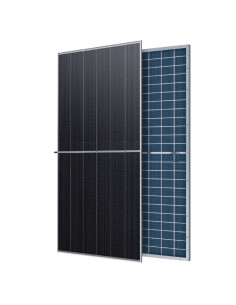
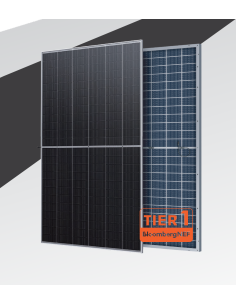
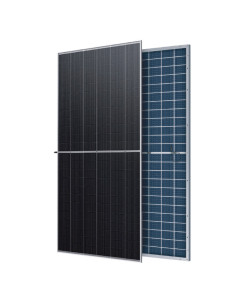
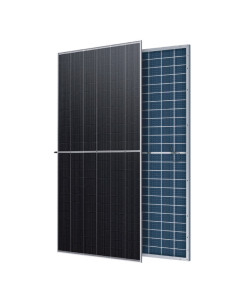




The Tier List is a tool used in the photovoltaic industry to assess the quality and reliability of photovoltaic panel manufacturers. The Tier List ranks photovoltaic panel manufacturers based on their financial stability, production history, and product quality.
Here are the definitions of each level on the Tier list:
1. Tier 1: A Tier 1 photovoltaic panel manufacturer has high financial stability, a long history in the market, and extensive experience in manufacturing high-quality photovoltaic panels. Companies at this level often have their own production lines, and their products are recognized as reliable and efficient.
2. Tier 2: A Tier 2 photovoltaic panel manufacturer also has financial stability, but its market position and experience may be slightly lower than Tier 1 companies.
3. Tier 3: A Tier 3 photovoltaic panel manufacturer is usually a new player on the market who may have less experience and financial stability than Tier 1 and Tier 2 companies. Products from this level may be cheaper, but they may also involve greater quality and long-term risks.
It is important to note that the Tier list is one of many factors to consider when selecting a photovoltaic panel manufacturer. Other factors, such as quality certifications, references, warranties, and user reviews, may also be important in your decision-making process.
You might also like